Introduction to Dumbbell Workouts
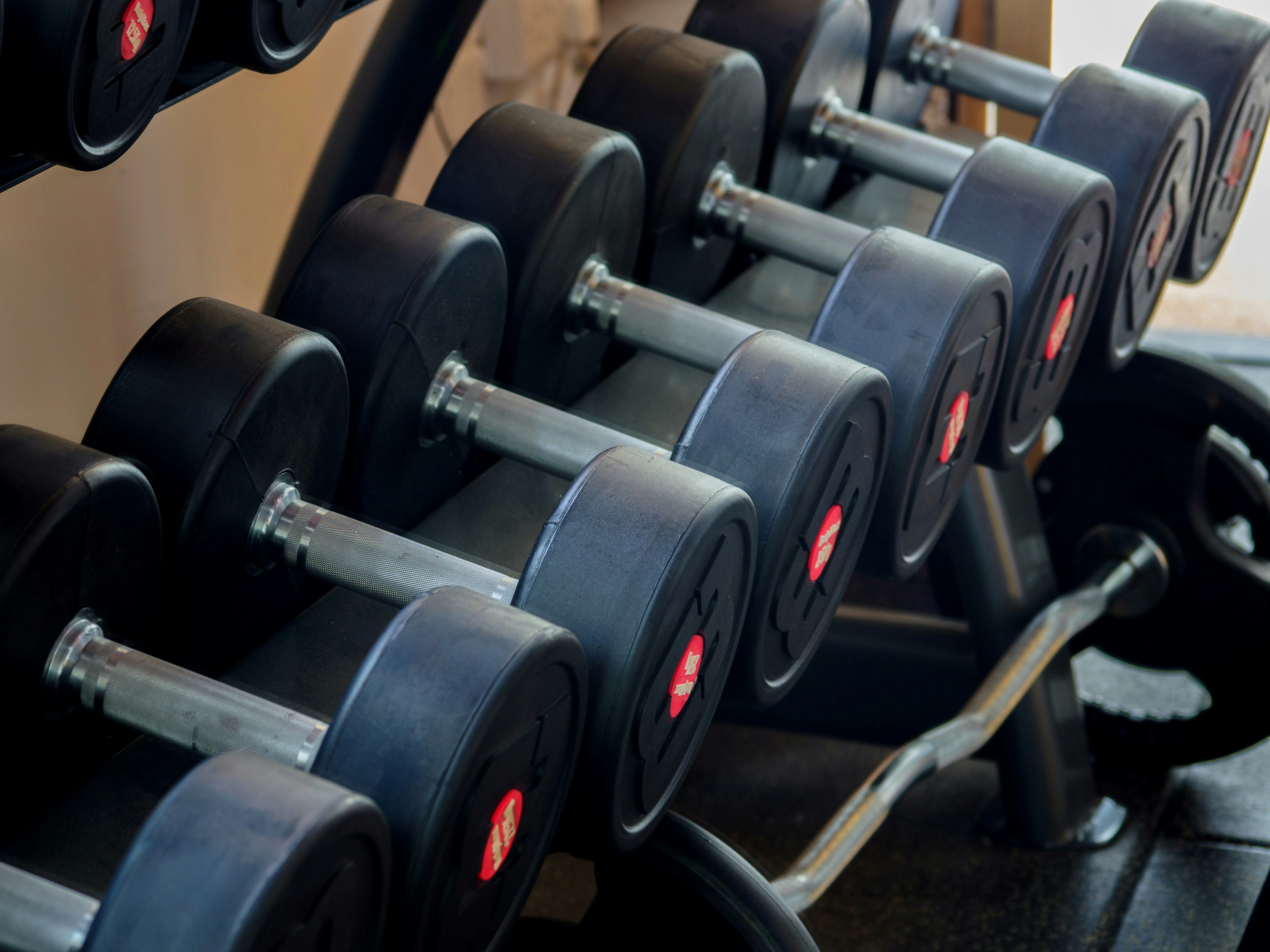
Dumbbell workouts have gained widespread popularity among fitness enthusiasts due to their flexibility and effectiveness in building strength. A dumbbell is a type of free weight that consists of a short bar with a weight on either end, allowing users to engage in a variety of exercises that target multiple muscle groups. The simplicity of dumbbells makes them an excellent choice for beginners who may be intimidated by more complex gym equipment.
The versatility of dumbbells plays a significant role in their appeal. They can be used for a wide range of exercises, from traditional strength training to more dynamic movements that enhance cardiovascular fitness. This adaptability allows users to customize their workouts based on their individual goals, whether it be muscle building, toning, or overall health improvement.
Another benefit of incorporating dumbbells into a fitness regimen is their effectiveness. Studies have shown that free-weight exercises, such as those performed with dumbbells, can lead to greater muscle activation compared to machine-based workouts. This is primarily due to the need for stabilizing muscles to control the weights, ultimately contributing to better strength gains and improved balance.
Dumbbell workouts also offer accessibility, especially for beginners. They can be easily integrated into home workout programs, for those who may not have access to a gym. Furthermore, dumbbells come in various weight increments, allowing individuals to gradually increase resistance as they progress in their fitness journey.
In conclusion, the combination of versatility, effectiveness, and accessibility underscores the value of dumbbell workouts for those embarking on their fitness journey. Their popularity among both novice and seasoned individuals illustrates their integral role in personal fitness routines.
Benefits of Dumbbell Workouts
Dumbbell workouts offer numerous advantages, making them a staple in many fitness regimens. One of the most notable benefits is the improvement of strength. By engaging in resistance training with dumbbells, individuals can effectively increase their muscle mass and enhance overall muscular strength. Dumbbells allow for a wide range of exercises that target both major and minor muscle groups, facilitating balanced strength development across the body.
In addition to increased strength, dumbbell workouts contribute significantly to enhanced flexibility. Many dumbbell exercises require a full range of motion, which helps individuals improve their overall flexibility over time. Stretching the muscles during workouts can lead to better performance in daily activities and a reduced risk of injury.
Balance and coordination are also positively impacted by incorporating dumbbells into a workout routine. When utilizing dumbbells, particularly in functional movements that mimic daily activities, users must engage their core and stabilize their bodies. This engagement enhances proprioception, which is the body’s ability to sense movement and position, thereby significantly improving balance and coordination.
Moreover, one of the unique aspects of dumbbell workouts is their versatility. They can be efficiently utilized for both cardio and strength training, making them an excellent choice for different fitness goals. For instance, performing high-repetition dumbbell exercises can elevate heart rates for a cardiovascular workout, while lower-repetition, heavier weights focus on building strength. Additionally, dumbbells can easily be incorporated into circuit training, offering a comprehensive workout experience that combines cardio, strength, and endurance.
In summary, dumbbell workouts present a variety of benefits, including improved strength, flexibility, balance, and coordination. Their versatility allows for targeting multiple muscle groups, making dumbbells an ideal tool for individuals of all fitness levels.
Choosing the Right Dumbbells
As an Amazon Associate I earn from qualifying purchases. Affiliate links may earn me a commission at no extra cost to you.


When embarking on a fitness journey, selecting the right dumbbells is a pivotal decision for beginners. The variety of options available can be overwhelming, but understanding the different styles and weights will guide you toward making an informed choice.
The first consideration is the style of dumbbells. Adjustable dumbbells are a popular choice for those who want versatility. They allow users to easily change the weight to accommodate different exercises or strength progressions, making them suitable for home gyms with limited space. Fixed-weight dumbbells, on the other hand, provide a solid option for those who prefer a straightforward approach. They come in various weights, allowing users to choose weights that suit their current fitness level.
Another interesting option to explore is kettlebell-style weights. While not strictly dumbbells, kettlebells can enhance various workouts and target muscles differently, particularly for functional fitness and core development.
As you decide on weight, it is essential to gauge your current strength and fitness goals. Beginners often benefit from starting with lighter weights to master form and technique. A common recommendation is to select a weight that allows you to perform 8-12 repetitions with good form, while still challenging you by the last few repetitions. If a weight feels too light, gradually increase it over time as your strength improves.
In summary, understanding the different types of dumbbells, whether they are adjustable, fixed-weight, or kettlebell-style, will enable beginners to make informed choices in their fitness journey. By selecting appropriate weights based on strength and fitness objectives, individuals can build a solid foundation in their workouts, paving the way for future progress.
As an Amazon Associate I earn from qualifying purchases. Affiliate links may earn me a commission at no extra cost to you.


Essential Dumbbell Exercises for Beginners
Dumbbell workouts are an excellent way for beginners to build strength, improve muscle coordination, and enhance overall fitness levels. Below are some essential exercises that beginners can incorporate into their workout routine, focusing on correct form and targeted muscle groups.
Dumbbell Squats: This fundamental exercise primarily targets the quadriceps, hamstrings, and glutes. To perform a dumbbell squat, stand with your feet shoulder-width apart, holding a dumbbell in each hand at your sides. Lower your body by bending at the knees and hips, keeping your chest lifted and back straight. Push through your heels to return to the starting position.
Lunges: Lunges effectively work the legs and glutes while improving balance. Stand upright and hold a dumbbell in each hand. Step forward with one leg, lowering your hips until both knees are bent at about a 90-degree angle. Ensure your front knee does not extend beyond your toes, and then return to the starting position, alternating legs with each repetition.
Chest Press: The dumbbell chest press focuses on the pectoral muscles, shoulders, and triceps. Lie back on a flat bench with a dumbbell in each hand, held at shoulder level. Press the dumbbells upward until your arms are extended above your chest, then lower them slowly back to the starting position. Maintain control throughout the movement to avoid injury.
Bent-over Rows: This exercise is excellent for strengthening the back muscles, particularly the lats and rhomboids. To perform bent-over rows, stand with feet shoulder-width apart and slightly bend your knees. Hinge forward at your hips while keeping your back straight. Hold a dumbbell in each hand and pull them towards your waist, squeezing your shoulder blades together at the top of the movement before lowering them back down.
Incorporating these essential dumbbell exercises into a beginner workout routine can significantly enhance strength and muscle tone. Correct form and technique should always be prioritized to maximize effectiveness and prevent injury.
Creating a Dumbbell Workout Routine
Designing a beginner’s dumbbell workout routine requires careful consideration of structure to ensure effectiveness and safety. A well-balanced approach should include exercises targeting major muscle groups such as the chest, back, shoulders, arms, legs, and core. A typical session might consist of 6 to 8 different exercises, allowing for comprehensive development without overwhelming the novice lifter.
Each exercise should be performed in sets, with a recommended range of 2 to 3 sets per movement. Beginners may find success with 8 to 12 repetitions for each set, focusing on maintaining proper form over lifting heavier weights. This rep range targets muscle endurance and encourages strength development without undue risk of injury.
It is essential to ensure the workout routine includes a balance of pushing and pulling movements to promote muscle symmetry and functional strength. For example, pairing exercises such as dumbbell bench presses (push) with rows (pull) can establish a more well-rounded routine. Lower body exercises, such as lunges or squats, should also be incorporated to round out the workout.
Equally important are the rest periods between sets. Beginners should allow 30 to 90 seconds of rest to recover adequately before moving onto the next set. This recovery time is crucial, especially as the muscles need to recuperate to maintain performance and prevent fatigue.
Incorporating variety within the dumbbell workout routine is beneficial for motivation and overall development. Changing the exercises, rep ranges, or the order of movements periodically can lead to improved results and keep the workouts engaging. By structuring a balanced, well-considered workout routine, beginners can effectively build a strong foundation for their fitness journey while minimizing the risk of injury.
Safety Tips for Working Out with Dumbbells
Dumbbell workouts can be an effective way to enhance strength and endurance, but it is essential for beginners to prioritize safety to prevent injuries. One of the first safety tips is to start each session with a proper warm-up. Engaging in dynamic stretches and light cardio for 5 to 10 minutes can prepare the muscles for exertion and reduce the risk of strains.
Maintaining good form is essential while using dumbbells. Beginners should focus on their posture, ensuring that their back is straight and their movements are controlled. Incorrect form can lead to injuries and can minimize the effectiveness of the workout. It is recommended to start with lighter weights to master the technique before gradually increasing the load. Practicing mirror exercises or consulting with a trainer can further enhance form.
Additionally, being aware of your body’s signals during workouts is crucial. If you feel discomfort or pain that is not typical fatigue, it is important to stop immediately. Pushing through pain can lead to significant injuries, hindering progress over time. Taking rest days is also a vital aspect of a safe workout routine, as it allows for muscle recovery and growth. Ensure hydration is maintained before, during, and after the workout to support overall bodily function.
Lastly, beginners should always have a training program that is designed for their fitness level. Engaging in workouts that are too advanced can lead to accidents and injuries. By incorporating these safety tips, individuals can enjoy their dumbbell workouts while minimizing risks.
Common Mistakes to Avoid
Beginning your journey with dumbbell workouts can be both exciting and daunting. However, many beginners find themselves making critical mistakes that can hinder progress and increase the risk of injury. It is essential to recognize these common pitfalls to enhance the effectiveness of your training.
One prevalent mistake is using weights that are too heavy. Many beginners are eager to push their limits and attempt to lift weights beyond their current capacity. This can lead to improper form, fatigue, and even injury. It is vital to start with lighter weights and focus on mastering the correct technique before gradually increasing resistance. Proper form ensures that muscle groups are targeted effectively while minimizing the risk of strain.
Another common error is neglecting to warm up and cool down. Warming up prepares the body for exercise by increasing blood flow to the muscles and enhancing flexibility. Skipping this crucial step can lead to muscle stiffness and injuries. Similarly, cooling down after a workout helps prevent post-exercise soreness and returns the heart rate to its resting state. Incorporating light cardio and stretching into your routine will greatly benefit your recovery process.
Additionally, rushing through exercises is a mistake that many new users make. The false belief that faster repetitions yield better results can lead to improper lifting mechanics. To avoid this, prioritize controlled movements over speed. Each repetition should allow you to focus on muscle contraction and maintaining correct posture. Implementing a steady pace will not only enhance the effectiveness of your workout but also build discipline and focus.
By being aware of these common mistakes and understanding how to avoid them, beginners can create a safer and more productive dumbbell workout routine that fosters growth and enhances performance.
Tracking Progress and Staying Motivated
Engaging in dumbbell workouts can be an exhilarating journey, especially for beginners who are eager to improve their physical fitness. Tracking progress becomes essential in maintaining motivation and ensuring effective training. One effective method is to utilize a fitness journal where individuals can record their workouts, repetitions, weights, and personal feelings after each session. This practice not only helps beginners monitor their advancement but also enables them to reflect on their journey, thus providing a broader perspective on how far they’ve come.
With technology at our fingertips, various fitness apps can also serve as valuable tools. These applications often offer features that allow users to input their daily workouts, set reminders for training sessions, and even provide guided workouts tailored for various fitness levels. Many apps include graphics and charts to visually track progress over time, which can be highly motivating for users as they see their physical transformations. Popular options on the market include MyFitnessPal, JEFIT, or Fitbit’s app, which cater to both novice and experienced fitness enthusiasts.
Connecting with online communities or local training groups can further provide encouragement and a sense of accountability. Many platforms, such as Reddit or specific fitness forums, enable users to share their goals and challenges with others who have similar aspirations. This interaction can foster motivation as beginners receive advice, support, and inspiration from fellow members of the community.
Moreover, setting realistic, achievable goals is integral to staying motivated. Instead of aiming for drastic changes, beginners should focus on creating short-term goals, such as increasing weight gradually or completing a certain number of workouts per week. By celebrating these small victories, they will enhance their sense of accomplishment, nurturing the drive to continue with their dumbbell training.
Conclusion and Next Steps
As we have explored throughout this guide, dumbbell workouts can provide a versatile and accessible means of achieving your fitness goals. This form of strength training not only enhances muscle strength but also improves endurance, flexibility, and overall fitness levels. Beginners can find a multitude of exercises that can be easily adapted to suit their skill level by incorporating dumbbells into their workouts.
To recap some of the key points, it is essential to start with the basics, focusing on proper form and technique to prevent injuries. Gradually increasing the weight and intensity of your workouts will help in building strength effectively. Incorporating a variety of dumbbell exercises into your routine also ensures that different muscle groups are targeted, promoting a balanced physique. Alongside physical benefits, regular dumbbell workouts can have a positive impact on mental health, providing stress relief and boosting self-confidence.
As you embark on your dumbbell workout journey, consider further resources to enhance your experience. Many online platforms offer structured workout programs specifically for beginners that can guide you through each step for optimal results. Additionally, local gyms often provide access to trainers who can craft a personalized workout plan and ensure the right execution of exercises. Participating in group classes can also foster motivation as you engage with fellow fitness enthusiasts.
Ultimately, initiating your dumbbell training is a commendable step toward improving your health and fitness. Embrace this opportunity to develop new skills and enjoy significant benefits in your physical fitness. Regularly assess your progress and adjust your routines to continue challenging yourself and achieving your goals.